
When Will Inflation Subside?!
Inflation has impacted nearly every household since 2020 — from groceries and gas to housing and insurance. While inflation has cooled from its peak, many consumers are still feeling the pressure in their everyday…
Published June 1, 2026 · 3 min read
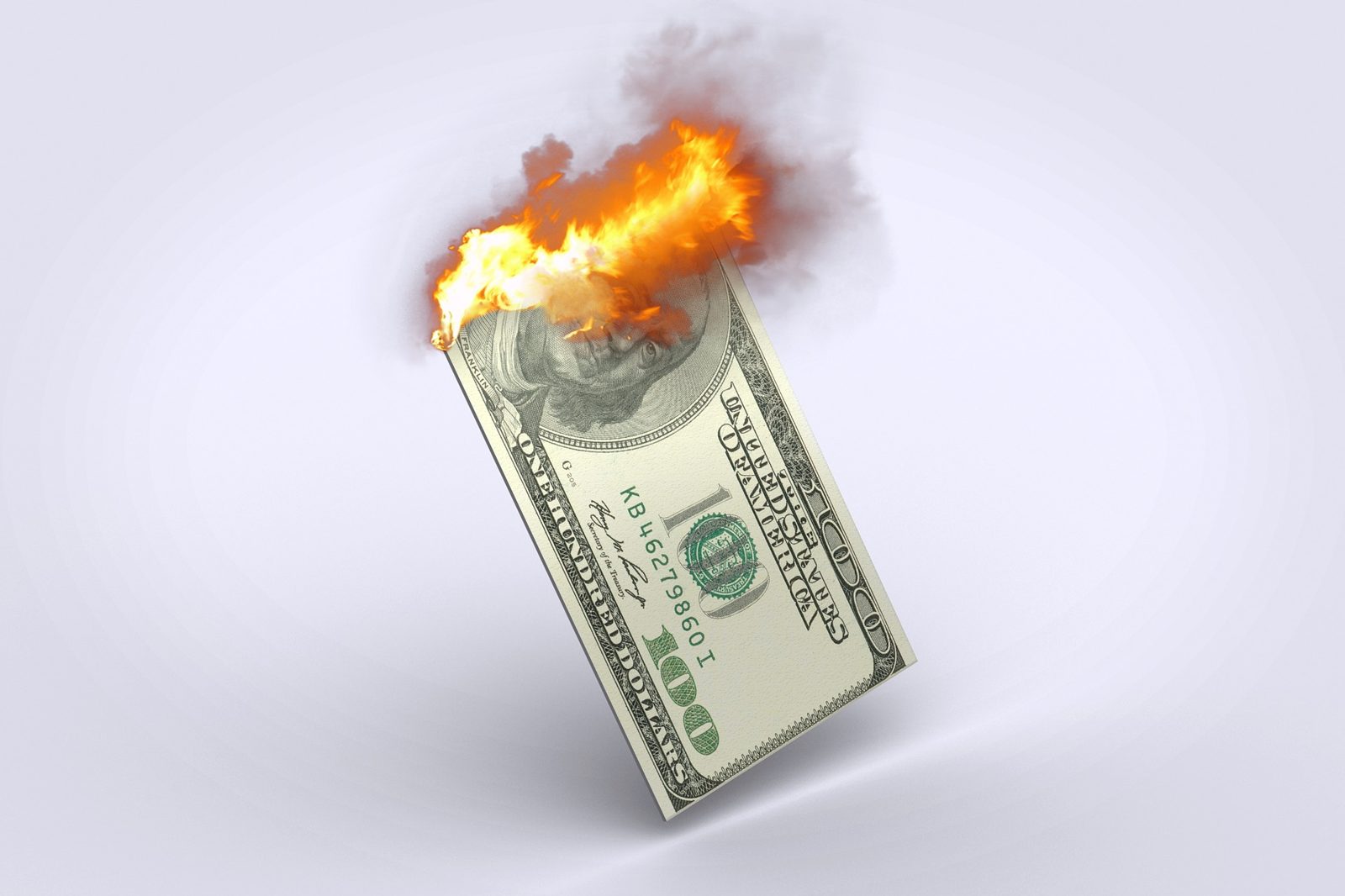
Inflation has impacted nearly every household since 2020 — from groceries and gas to housing and insurance. While inflation has cooled from its peak, many consumers are still feeling the pressure in their everyday budgets.
What Caused It?
So what caused it?
Several major factors collided at once:
• Pandemic-related supply chain disruptions
• Massive government and economic stimulus
• Labor shortages and rising wages
• Higher energy and transportation costs
• Global geopolitical tensions
More recently, some of the biggest drivers of inflation have been related to shipping bottlenecks in the Strait of Hormuz — gas supply shortages lead to higher production costs, driving inflation.
Offsetting the Impact
While inflation can’t be completely avoided, there are ways to help offset its impact:
• Track spending carefully
• Prioritize needs over wants
• Build emergency savings
• Reduce high-interest debt
• Stay focused on long-term investing
• Review recurring bills and insurance costs regularly
Why Prices Don’t Simply Go Back Down
When people hear that inflation is “cooling,” they often expect prices to return to where they were. Unfortunately, that’s not how it usually works. Lower inflation means prices are rising more slowly, not that they are falling. A decline in the overall price level, called deflation, is uncommon and is generally associated with weak economic conditions. That’s why the prices you pay for groceries, rent, and insurance may stay higher even after inflation eases.
Over time, wages tend to catch up as employers adjust pay to the new cost of living. But that process can take a while, which is why the period after high inflation can still feel tight for many households.
How the Fed Fights Inflation
The Federal Reserve’s main tool for fighting inflation is raising interest rates. Higher rates make borrowing more expensive, which slows spending and gives supply a chance to catch up with demand. These effects take time to work through the economy, so inflation usually comes down gradually rather than all at once.
What You Can Do Now
While you wait for inflation to settle, focus on what you can control. Revisit your budget to reflect today’s prices, not last year’s. Look for ways to increase your income, such as asking for a raise or building new skills. Keep your emergency fund in an account that pays a competitive rate, and make sure your long-term investments are positioned to grow faster than inflation over time.
Inflation has come and gone in cycles before, and steady habits are the best way to get through each one.
Patience, a realistic budget, and a long-term investment plan remain the most reliable ways to protect your purchasing power while the economy works through each cycle of rising prices.
Inflation Moves in Cycles
Historically, inflation moves in cycles. Although certain costs may remain elevated for some time, economies generally stabilize as supply chains improve, interest rate policies take effect, and consumer demand adjusts.
The key is to stay financially disciplined and avoid emotional decisions during uncertain periods.
If you’re struggling to find direction, I recommend speaking with a fiduciary financial advisor about your specific needs.