
What Is The Difference Between a Debit Card And a Credit Card?
The financial world is full of jargon—words like debit, credit, markets, ledger, and bonds are used all the time. Today, I will break down some of the key differences between credit and debit cards.
Published December 27, 2021 · 3 min read
The financial world is full of jargon—words like debit, credit, markets, ledger, and bonds are used all the time. Today, I will break down some of the key differences between credit and debit cards.
Debit Cards
-
Anyone with a bank account should be able to get a debit card.
-
Debit cards take money right out of your bank account when you swipe them at the store.
-
With debit cards, you can spend as much as you have in your account.
-
You can use debit cards at ATMs to take cash out of your bank account (typically for a fee).
-
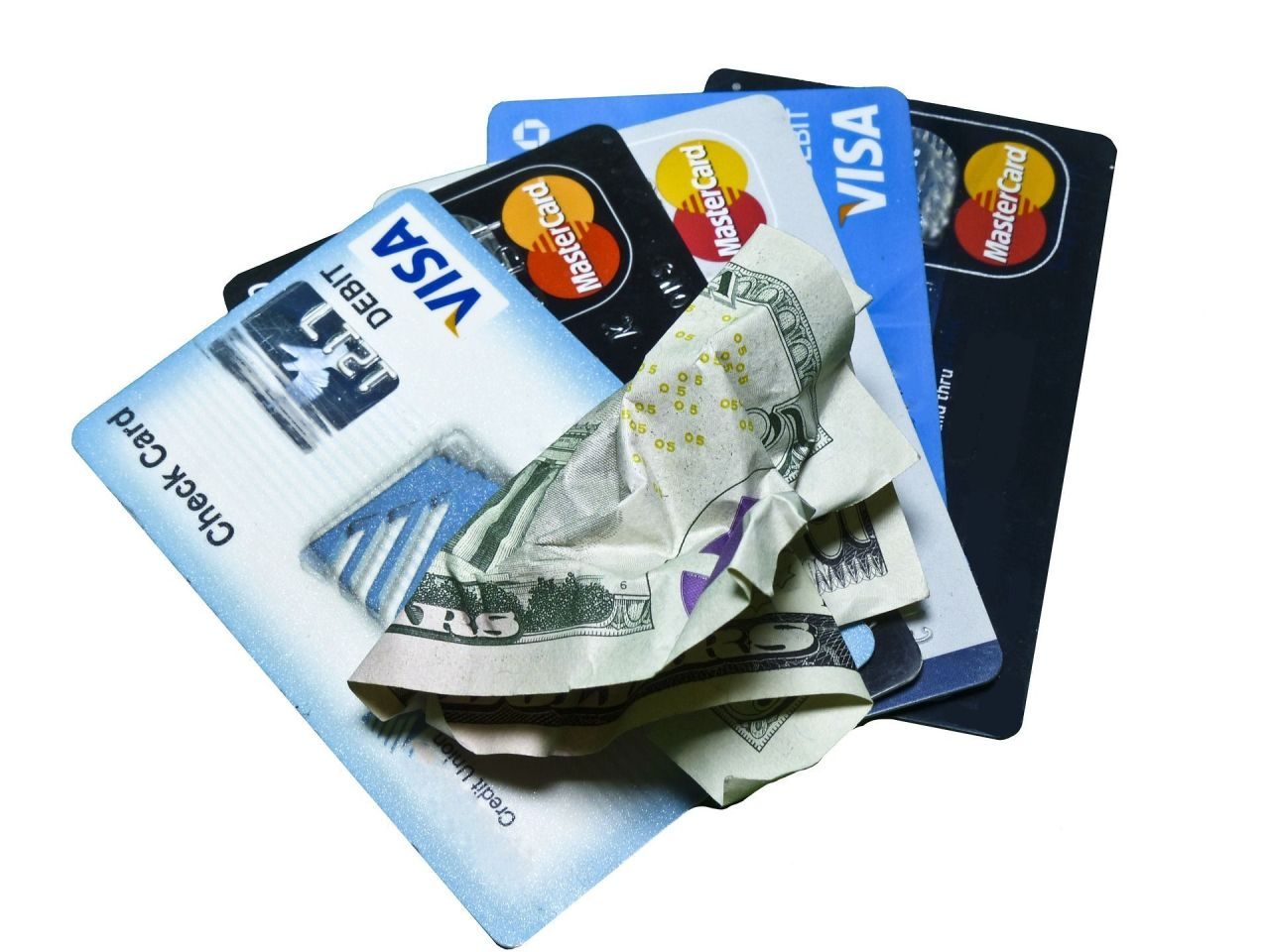
A debit card typically says DEBIT or CHECK CARD on the front of the card.
Credit Cards
-
You have to qualify to get a credit card—this usually requires a credit score.
-
Credit card issuers will give you a credit limit—borrowers without much credit history may only qualify for very small limits.
-
With credit cards, you can spend up to your credit limit.
-
Credit cards are usually branded with a credit card logo like Visa, Mastercard, or American Express, even if you got the card through your bank—this means that your transactions will clear through those credit card issuers.
-
Credit cards come with varying perks and benefits, so you’ll want to do your research before applying.
-
If you don’t pay off your purchases in full each month, you will pay interest on the balance.
-
Many people prefer credit cards because of the ease of disputing fraudulent charges.
Which Should You Use?
Both cards have a place. A debit card is a good fit for people who want to spend only the money they have and avoid the temptation of debt. A credit card can be the better choice for online purchases and travel because of stronger fraud protections, and it can help build your credit history—but only if you pay the full balance each month. The right card is the one that fits your habits and keeps you in control of your spending.
Protecting Yourself With Either Card
Whichever card you use, a few simple habits keep you safe. Review your transactions regularly so you can spot unauthorized charges quickly. Turn on account alerts through your bank’s app, which can notify you of large purchases or unusual activity. Never share your PIN, and be cautious about using your cards on unfamiliar websites. If a card is lost or stolen, report it right away—the faster you act, the easier it is to limit your liability.
Miscellaneous Things to Know
-
Debit cards can have a credit card issuer logo on them (Visa, Mastercard, or American Express)—this doesn’t make it a credit card, it only means that you can use your debit card anywhere merchants accept those issuers.
-
Some people use credit cards for an emergency fund. This is usually a bad idea.
-
Because debit cards remove cash from your account, fraudulent charges can cause people a lot of issues.
If you’re new to finance, I recommend sitting down with someone at your bank or credit union to discuss their various card options to see which one is right for you.