
Trade Wars and Your Portfolio
New tariffs between the United States and China took effect this month. Should investors worry?
Published July 16, 2018 · 3 min read
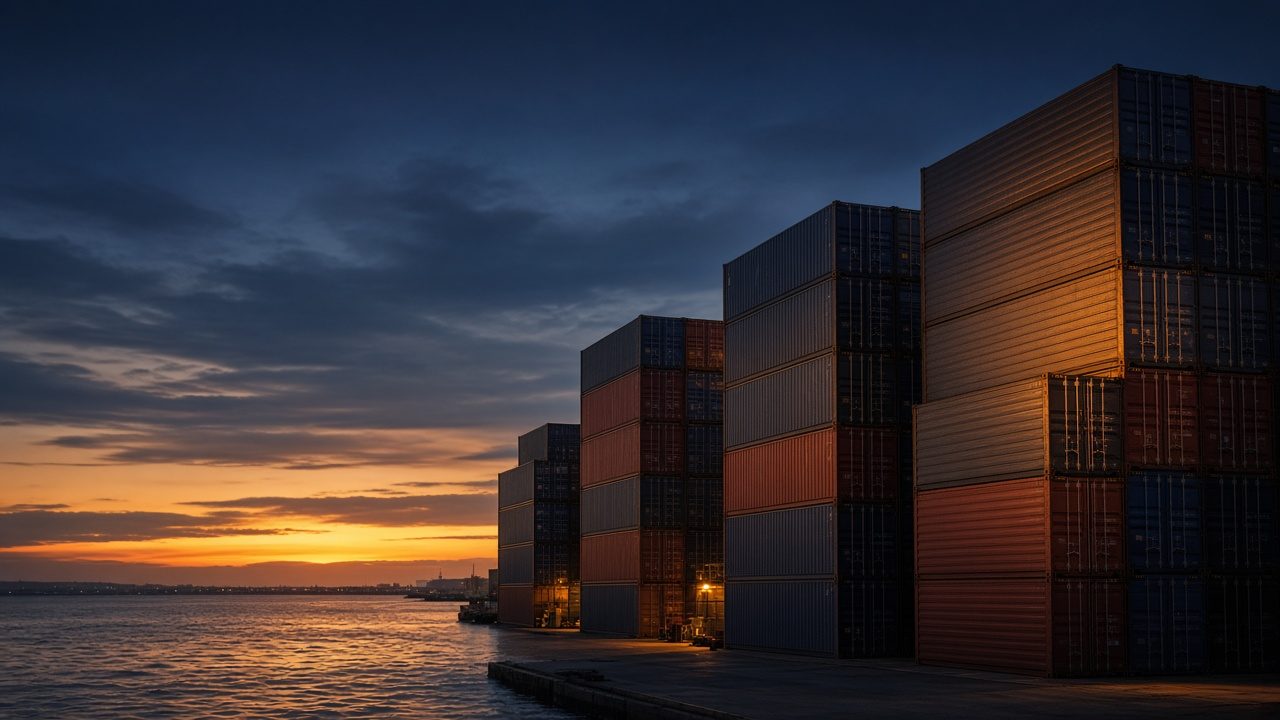
On July 6, the United States began collecting 25% tariffs on about $34 billion of Chinese imports, and China responded with tariffs of its own on American goods. Additional rounds have been threatened by both sides. Headlines are calling it a trade war, and it is natural to wonder what it means for your investments.
What a Tariff Is
A tariff is a tax on imported goods. It is paid by the company importing the product, and that cost is often passed along to customers in higher prices. Tariffs are intended to protect domestic industries, but they can also raise costs for businesses that rely on imported materials and hurt exporters when other countries retaliate.
Who Feels It
- Farmers and Exporters. Agricultural products such as soybeans have been a target of retaliation, which can reduce demand and prices for American growers.
- Manufacturers. Companies that buy imported steel, aluminum, or components may face higher costs and thinner profit margins.
- Consumers. If tariffs broaden, everyday goods may become more expensive.
How Tariffs Ripple Through the Economy
A tariff is a tax on imported goods, usually paid by the importing business. That business may absorb the cost, which reduces its profits, or pass it on to customers through higher prices. Either way, tariffs tend to raise costs somewhere in the supply chain. When other countries respond with their own tariffs, exporters can lose sales abroad, which affects farmers, manufacturers, and the workers who depend on them.
Companies may also change where they source materials or build products to avoid tariffs. Those shifts take time and money, and uncertainty about future trade policy can cause businesses to delay investment and hiring decisions.
What It Means for Investors
Trade disputes can create volatility, especially in industries that rely heavily on global supply chains or exports. Markets often react sharply to announcements and negotiations, then settle as the actual impact becomes clearer. Trying to trade around these headlines is difficult, because policy can change quickly and unexpectedly.
A diversified portfolio is your best defense. Owning a broad mix of companies across industries and regions means no single policy decision can do too much damage. Focus on your long-term goals, keep an emergency fund for short-term needs, and let the headlines play out without letting them drive your decisions.
Trade policy will continue to shift; your plan doesn’t need to shift with every announcement.
Keeping Perspective
Trade disputes create uncertainty, and markets dislike uncertainty. That can lead to sharp daily swings as news breaks. But no one knows how long these disputes will last or how they will be resolved, and trying to trade around political headlines is a guessing game.
What you can control is how your portfolio is built. A diversified portfolio that matches your time horizon and risk tolerance is designed to weather periods like this. If a single headline makes you want to sell everything, that may be a sign your portfolio carries more risk than you are truly comfortable with, and that is worth a conversation with your advisor.