
Preparing for the Next Downturn
There are many novice investors jumping into the markets right now. And why not? Almost all investment classes have been jumping in value over the past several years. In the next few years, you’re going to see market corrections and shifts…
Published July 23, 2021 · 3 min read
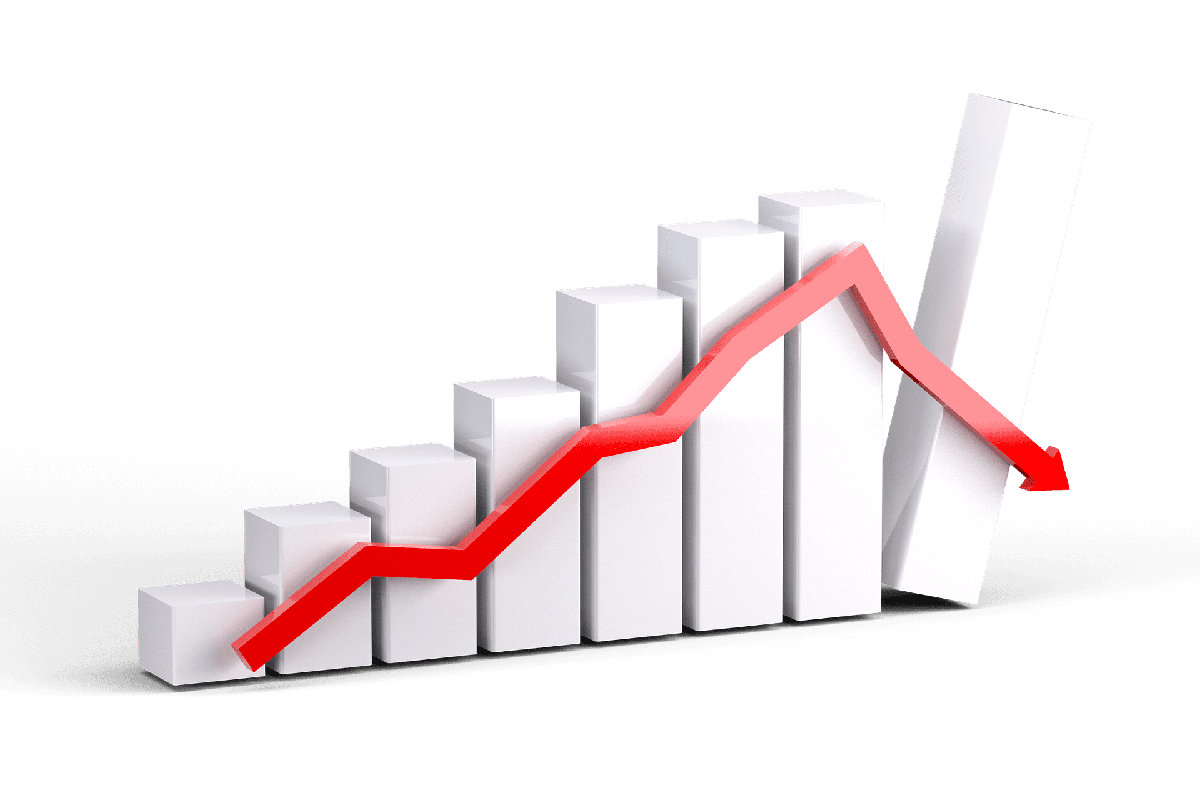
New Investors in a Rising Market
There are many novice investors jumping into the markets right now. And why not? Almost all investment classes have been jumping in value over the past several years. In the next few years, you’re going to see market corrections and shifts away from meme stocks—that’s when you’ll see the difference between novice and savvy investors.
Why Downturns Are Inevitable
Market declines are a normal part of investing. Over long periods, stocks have generally trended upward, but that path has included many corrections and bear markets along the way. They happen for different reasons—rising interest rates, recessions, financial crises, or simply prices getting ahead of reality—but they always arrive eventually. The question isn’t whether the next downturn will come, but whether you will be prepared when it does.
New investors who have only experienced rising markets are especially vulnerable, because they haven’t yet felt how uncomfortable a large decline can be. It is easy to say you will stay calm when prices fall; it is much harder to do it when your account balance is shrinking every day.
Build Your Defenses Now
The best time to prepare for a downturn is before it starts. Begin with an emergency fund so you never have to sell investments to pay bills during a decline. Pay down high-interest debt, which becomes harder to manage if your income is disrupted. Then look at your portfolio honestly. Are you concentrated in a few popular stocks or a single theme? Spreading your money across many companies, industries, and asset types can reduce the damage when one area falls out of favor.
Decide Your Response in Advance
Write down how you will respond to a major market drop before it happens. You might decide to keep contributing, to rebalance back to your target mix, or simply to do nothing. Having a plan you made with a clear head makes it much easier to avoid emotional decisions when fear takes over.
Finally, remember that downturns also create opportunities. Investors who have cash set aside, a steady income, and a clear plan can keep contributing while prices are lower. Over time, those purchases made during difficult periods can become some of the most rewarding decisions you make, but only if you are prepared enough to make them calmly.
Preparation won’t make a downturn painless, but it can keep it from becoming a crisis.
Study and Prepare Now
If you don’t want a lesson from the school of hard knocks, you should start studying and preparing now. I recommend starting with Thinking in Bets by Annie Duke—this book helps develop the proper mindset of an investor.
Additionally, before the craziness hits, it is important for you to sit down and write out (1) how you will react when the market drops, (2) how you will limit your speculative exposure, and (3) how investing will help you attain your financial goals. Having a written plan will help stabilize your investing decisions so that you don’t overreact.
Happy investing! Ü