
Is Debt Consolidation a Good Idea?
If you’re juggling multiple debts, debt consolidation can sound tempting — one payment, one interest rate, one sigh of relief. But before you jump in, it’s essential to understand what it actually does (and doesn’t) fix.
Published November 1, 2025 · 3 min read
If you’re juggling multiple debts, debt consolidation can sound tempting — one payment, one interest rate, one sigh of relief. But before you jump in, it’s essential to understand what it actually does (and doesn’t) fix.
Treating the Symptom
In most cases, debt consolidation treats the symptom, not the cause. It’s like putting a bucket under a leaky roof — it catches the water, but it doesn’t fix the leak. Consolidation reorganizes your debt, but it doesn’t address the habits, systems, or decisions that created it.
When clients come to me considering consolidation, we often discover that the real issue isn’t the debt itself — it’s a lack of financial structure. Without changing spending patterns or building better systems, consolidation often provides only temporary relief. Many people pay off their credit cards, feel free, then slowly rack them back up — ending up with both the loan and new card balances.
When It Can Help
That doesn’t mean it’s always wrong. It can help if:
(1) You have a clear plan to change habits
(2) You’re committed to avoiding new debt
(3) The interest savings are meaningful
(4) It’s part of a broader financial strategy
How Debt Consolidation Works
Debt consolidation means combining several debts into a single new loan or account. Common methods include a personal loan, a balance transfer credit card with a low introductory rate, or a home equity loan. Instead of juggling multiple due dates and interest rates, you make one payment each month.
Consolidation can help in two ways. It can lower the interest rate you pay, so more of each payment goes toward the balance instead of interest. And it can simplify your finances, which makes it easier to stay on track.
Watch for the Pitfalls
Consolidation is a tool, not a cure. The biggest risk is that freeing up credit cards leads to running up new balances, leaving you with the consolidation loan plus fresh debt. Before you consolidate, it helps to understand why the debt built up and to have a budget that prevents it from happening again.
Read the fine print, too. Balance transfer offers often charge a fee and the low rate usually expires after a set period. Personal loans may have origination fees. Using a home equity loan turns unsecured debt into debt backed by your house, which means falling behind could put your home at risk. A longer repayment term can lower your monthly payment but increase the total interest you pay.
The Bottom Line on Consolidation
When it lowers your rate, fits a realistic payoff plan, and comes with a change in habits, consolidation can be a smart step toward becoming debt-free. Without those pieces, it can simply move the problem around.
A Smarter Approach
A smarter approach is to first build a strong foundation: track where your money goes, create a realistic budget, strengthen financial habits, and design a debt payoff plan that tackles the root causes.
The goal isn’t just to reorganize debt — it’s to build a system that keeps you out of debt for good. If you’re considering consolidation, talk with a trusted advisor who can help you see the full picture and chart a long-term path to financial freedom.
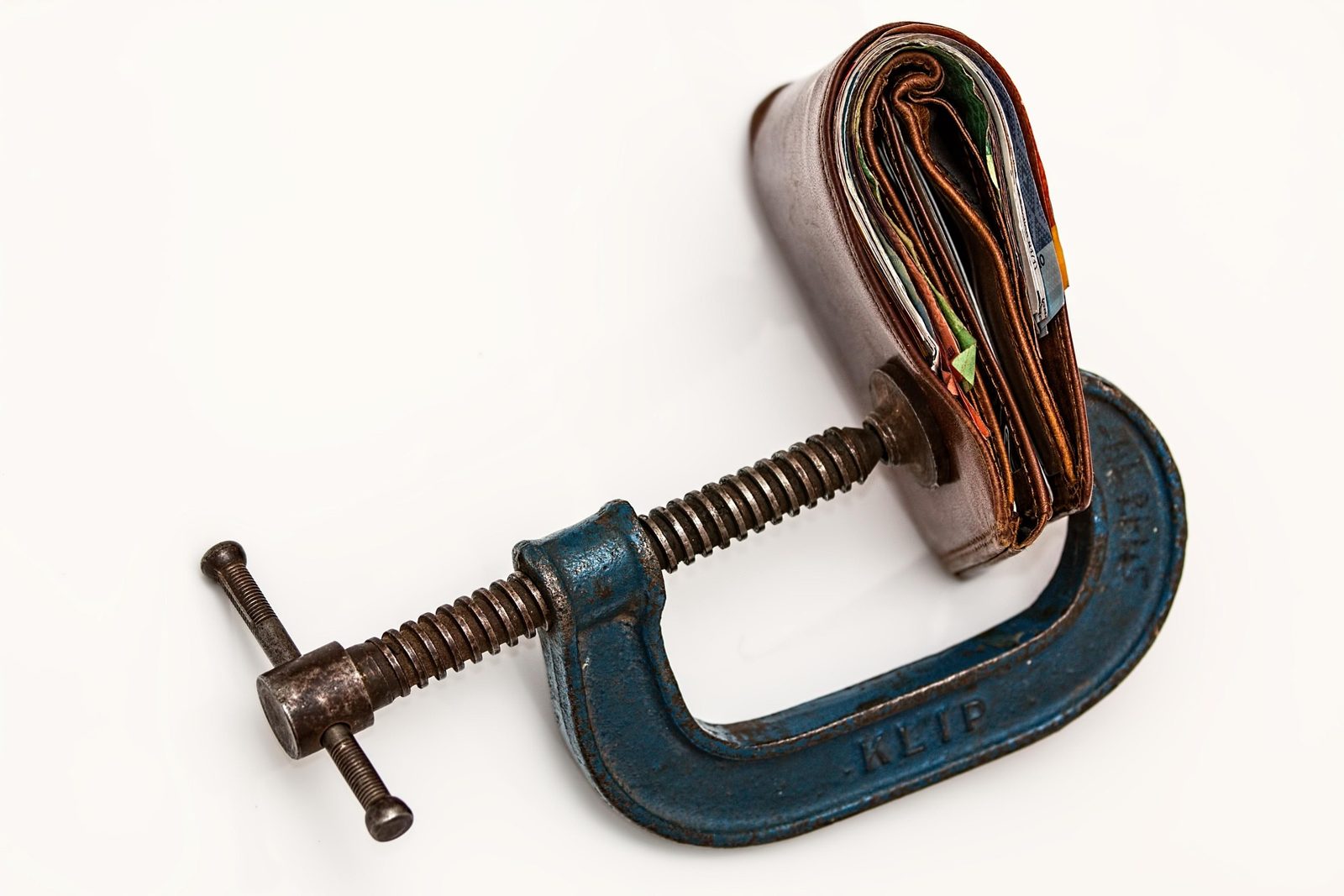
Image by Steve Buissinne from Pixabay