
Is Crypto the Next Lotto?
A lottery is a form of gambling that involves the drawing of numbers at random for a prize. Lotteries only work when many people contribute money to the lottery—the more, the better. Hypothetically speaking, what would…
Published November 29, 2021 · 3 min read
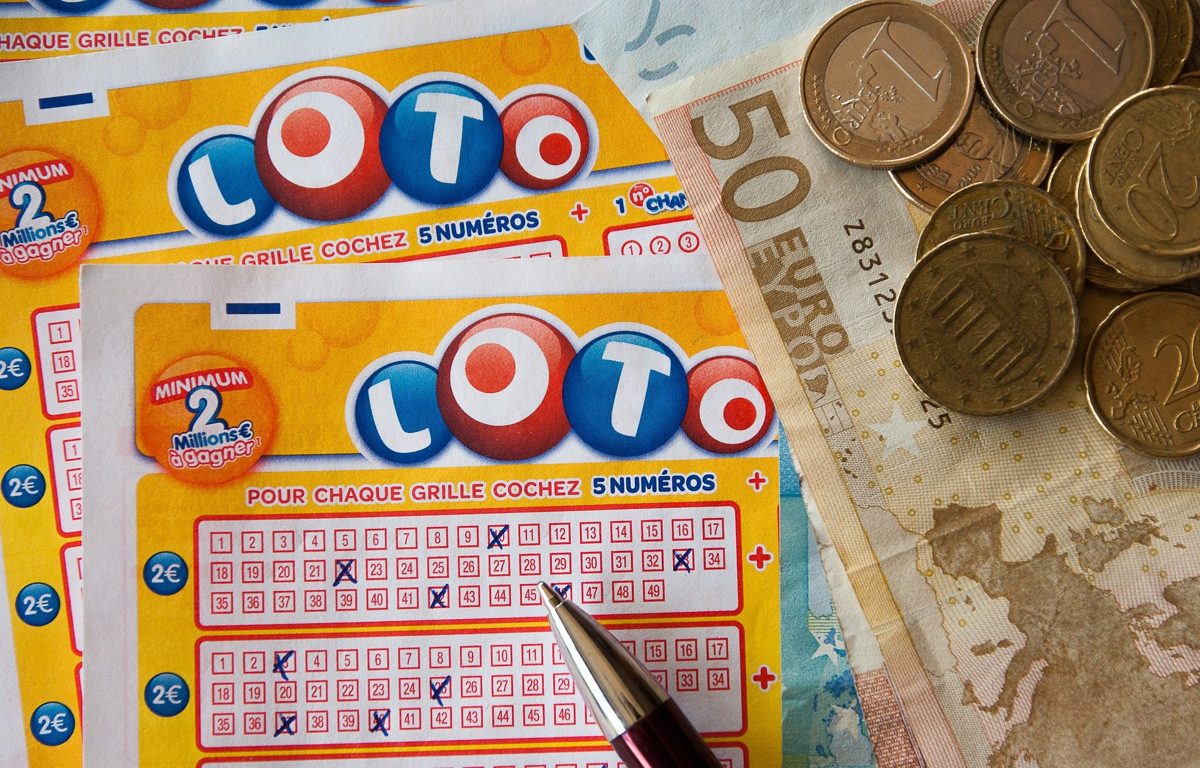
A lottery is a form of gambling that involves the drawing of numbers at random for a prize. Lotteries only work when many people contribute money to the lottery—the more, the better. Hypothetically speaking, what would happen to a Powerball lottery where corporations, hedge funds, and speculators around the world dump tens of billions into it? That hypothetical scenario loosely describes cryptocurrency.
Crypto and the Lottery
While there are some differences between investing in a lottery and investing in cryptocurrency, the underlying principle is the same—the more money contributed to the pot, the more it is worth. To make money in cryptocurrency, you need to buy in and hope that more people contribute money into the pool to make your investment worth more.
Cryptocurrency investors should ask themselves: What would happen to crypto’s value if everyone withdrew their investment today? Or if all governments were to declare it illegal simultaneously? If these questions are honestly answered, you will find that the intrinsic value of cryptocurrency is $0—that is because the value of its underlying code is worth about as much as the individual characters of this article.
Blockchain Has Promise
Don’t get me wrong; I believe that blockchain is a brilliant technology that will upend the way we transact in the future. However, the fact that blockchain is connected with cryptocurrency does not create intrinsic value.
Speculation vs. Investing
There is an important difference between investing and speculating. When you invest, you buy an asset that produces something of value—a business that earns profits, a bond that pays interest, or a property that generates rent. Over time, those earnings support the asset’s value. When you speculate, you buy something mainly because you hope someone else will pay more for it later.
Most cryptocurrencies fall into the second category. They don’t produce earnings or pay interest, so their price is driven largely by demand, sentiment, and momentum. That doesn’t mean prices can’t rise—sometimes dramatically—but it does mean they can fall just as fast, with little to anchor them.
Why Lottery Thinking Is Dangerous
The appeal of a lottery ticket is the small chance of a huge payoff. Many people approach crypto the same way, hoping a small purchase will turn into a fortune. The problem is that stories of big winners get far more attention than the many people who lost money, which makes the odds look better than they are.
If you choose to buy crypto, size the position as you would a lottery ticket: an amount you could lose entirely without hurting your goals. Build your emergency fund, pay down high-interest debt, and fund your retirement accounts first. Then, if you still want to speculate, do it with money you can truly afford to lose.
And never borrow money or use retirement savings to buy a speculative asset; the downside is simply too large.
Before You Invest
If you are thinking about making a cryptocurrency investment, I recommend first making sure that it aligns with your financial plan.