
Impacts of Inflation
Inflation is often discussed but rarely understood. Inflation is simply a measurement of the increase of prices over time. To determine the official inflation rate, the government measures price changes in a basket of…
Published November 1, 2021 · 3 min read
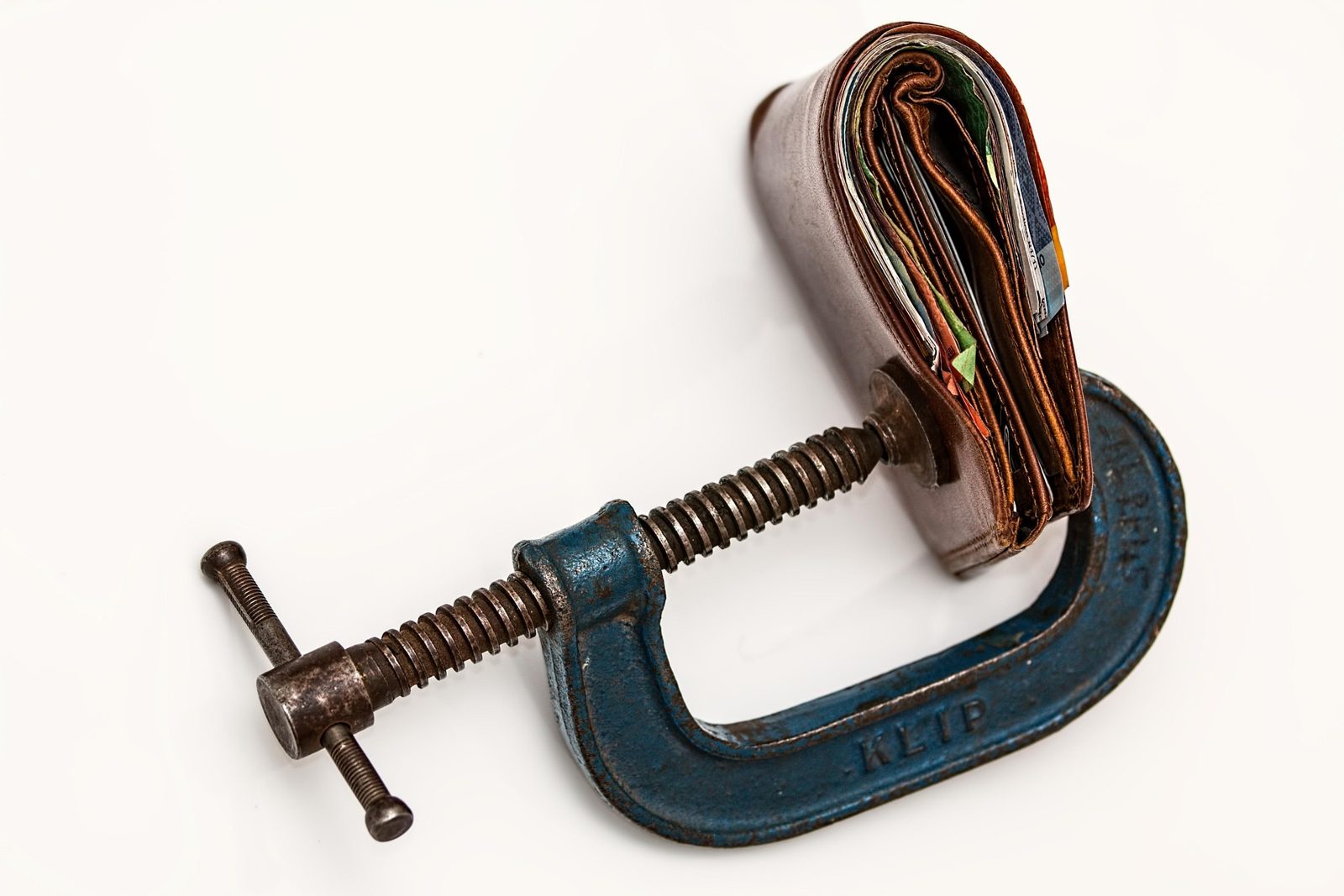
What Is Inflation?
Inflation is often discussed but rarely understood. Inflation is simply a measurement of the increase of prices over time. To determine the official inflation rate, the government measures price changes in a basket of goods, including healthcare, housing, and education costs.
Inflation can be government-induced through money printing, consumer-induced through a long-term increase in spending (demand), or manufacturer-induced with a broad decline in production (supply). Right now, all three of these reasons are causing inflationary pressures in the U.S.
Inflation Ahead
I believe that inflation will be high for the next 1-3 years based on the government’s current monetary policy. When it comes to the long-term impacts of inflation, you have three options: (1) do nothing and watch your purchasing power erode your savings, (2) decrease your spending, or (3) grow your income.
What Inflation Is
Inflation is the general rise in prices over time. When inflation is running, each dollar buys a little less than it did before. A small amount of inflation is considered normal in a healthy economy, and the Federal Reserve generally aims for about 2% per year. Problems arise when inflation runs much higher than that, because prices start rising faster than most people’s wages.
Inflation is commonly measured by the Consumer Price Index, or CPI, which tracks the cost of a basket of everyday goods and services such as food, housing, transportation, and medical care. When you hear that inflation is a certain percentage, it usually means that basket costs that much more than it did a year earlier.
Who Is Hurt Most
Inflation doesn’t affect everyone equally. People on fixed incomes, such as some retirees, can see their purchasing power shrink because their income doesn’t keep pace with prices. Savers holding large amounts of cash lose ground if their interest rate is lower than inflation. Borrowers with fixed-rate loans, on the other hand, can benefit somewhat, because they repay their debt with dollars that are worth less than when they borrowed.
Protecting Yourself
The best defense against inflation is a plan. Keep an emergency fund in cash, but invest long-term money in assets that have historically grown faster than inflation over time. Review your budget regularly, because rising prices can quietly squeeze your spending. And look for ways to grow your income, since earning more is one of the most direct ways to stay ahead of a rising cost of living.
Above all, avoid letting inflation fears push you into rash decisions. A steady plan, reviewed regularly, is a far better response than reacting to every monthly price report.
Grow Your Income
Of these three options, I prefer growing your income because (1) it indicates that you are increasing your market desirability through increased productivity, and (2) it indicates that you are growing in tandem with the economy. Choosing to develop your skills and abilities is the only way to be prosperous in the future.
So, as inflation persists, choose to become more productive and build your future!