
Don’t Get Scammed!!!
Scammers are everywhere! Unfortunately, there are people from all around the world who would love nothing more than to steal your money. There is nothing more frustrating than to be taken advantage of by an unscrupulous individual, so here…
Published June 8, 2021 · 3 min read
Scammers are everywhere! Unfortunately, there are people from all around the world who would love nothing more than to steal your money. There is nothing more frustrating than to be taken advantage of by an unscrupulous individual, so here are some tips to protect yourself from fraud:
How to Protect Yourself
Do not provide your personal information over the phone to anyone who calls you claiming to be from the utility company, IRS, or any other agency.
Do not send cash, gift cards, money orders, cashier’s checks, or anything of value to a random person who calls you no matter what they say.
Do not give anyone access to your bank accounts.
When wiring funds for a large purchase, call the sender of the wire instructions to confirm the routing and account numbers before sending the wire.
How Scams Work
Most scams follow a similar pattern. The scammer creates urgency, pretends to be someone you trust, and asks for money or information in a way that is hard to undo. You might get a call that appears to come from your bank, an email that looks like it is from the IRS, a text about a package delivery, or a message from a “friend” on social media who needs help. The details change, but the playbook stays the same: rush you, scare you or excite you, and get you to act before you think.
Common red flags include pressure to act immediately, requests for payment by gift card, wire transfer, or cryptocurrency, offers that seem too good to be true, and requests to keep the conversation secret. Legitimate organizations will not ask you to pay with gift cards or threaten you with arrest over the phone.
What to Do If Something Feels Off
The single best defense is to slow down. Hang up and call the organization back using a number you find yourself, such as the one on the back of your card or on the official website. Never click links in unexpected messages. Turn on two-factor authentication for your financial accounts, use strong and unique passwords, and review your statements regularly so you can catch unusual activity quickly. Consider freezing your credit with the three credit bureaus, which makes it much harder for someone to open new accounts in your name.
If you do fall victim to a scam, act quickly. Contact your bank or card issuer right away, change your passwords, and report the incident to the Federal Trade Commission. The faster you move, the better your chances of limiting the damage.
Talk About It
Scammers rely on embarrassment to keep people quiet. Talk openly with family members—especially older relatives—about the scams going around. A simple conversation can be the difference between someone pausing to ask a question and someone losing their savings.
Further Reading
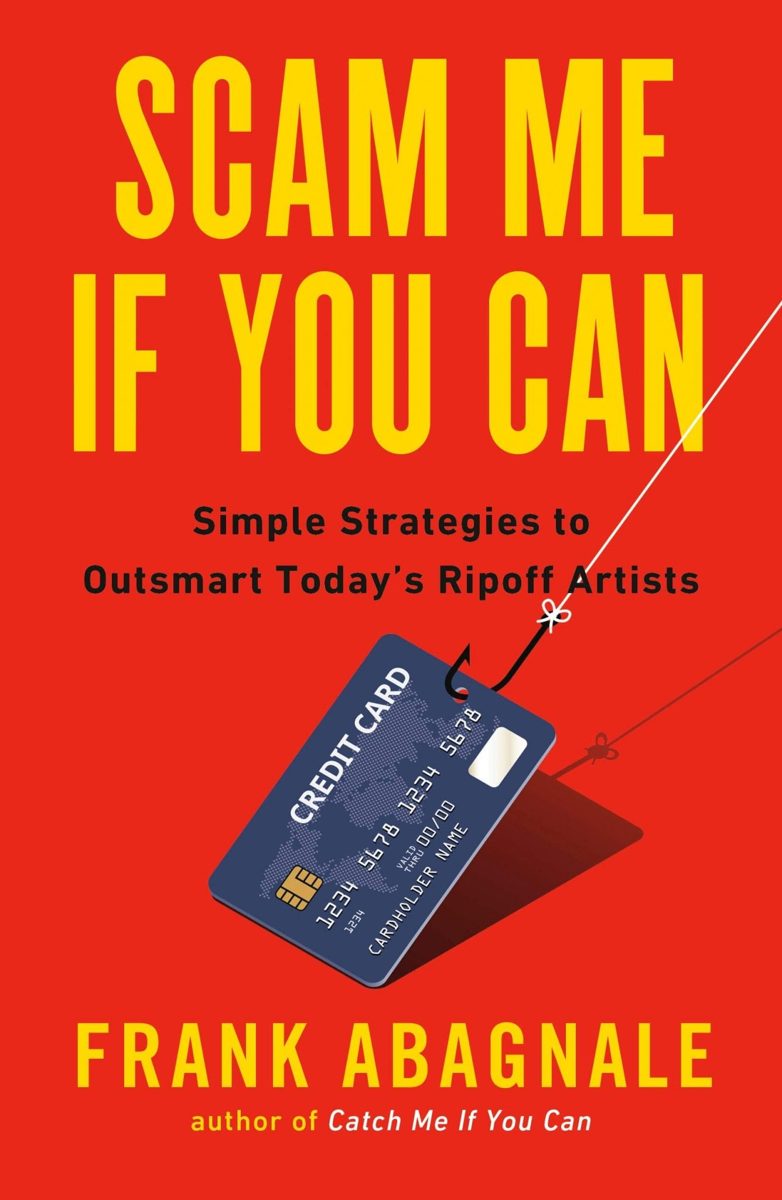
We highly recommend reading Scam Me If You Can by Frank Abagnale for additional tips and tricks to protect yourself. In the book, he reviews the most common scams and how to protect yourself from them.