
Crypto, Crypto, Crypto!
Cryptocurrency is on the lips of many pundits today. While most people don’t like to admit it, crypto is not commonly understood. That is because cryptocurrencies are built on two concepts that people use interchangeably: (1) a blockchain…
Published June 14, 2021 · 3 min read
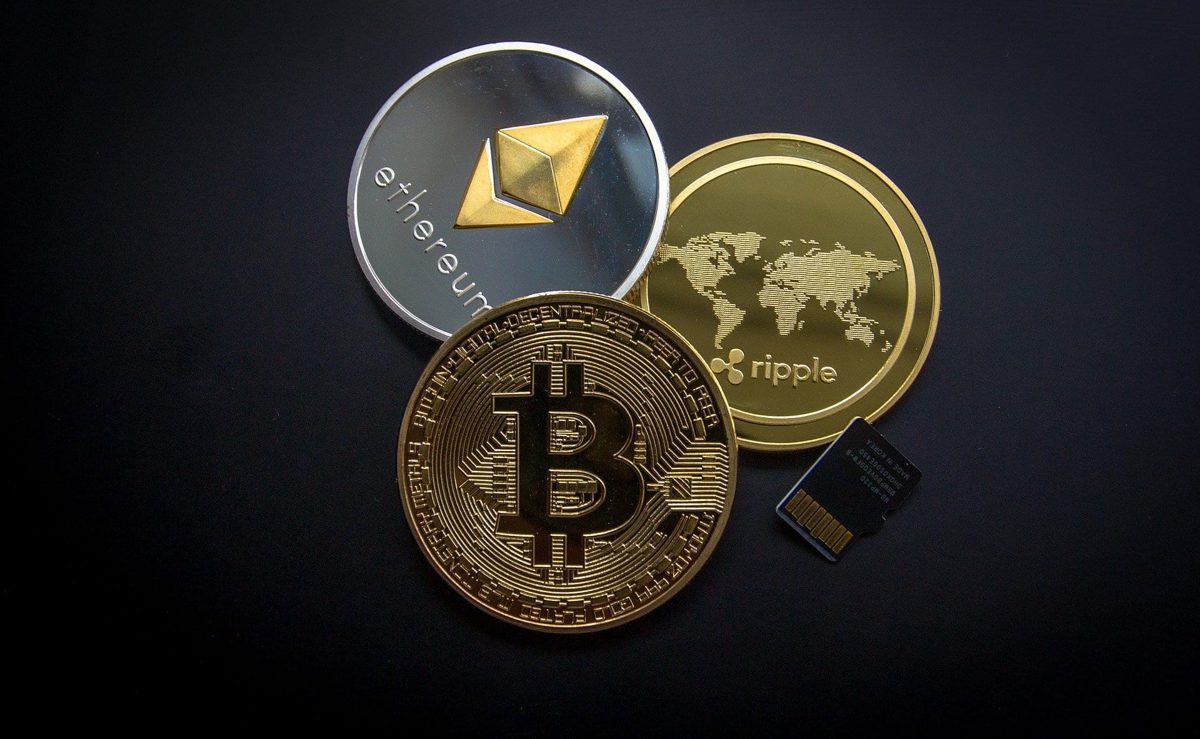
Cryptocurrency is on the lips of many pundits today. While most people don’t like to admit it, crypto is not commonly understood. That is because cryptocurrencies are built on two concepts that people use interchangeably: (1) a blockchain and (2) a token.
Blockchains and Tokens
A blockchain is a chain of code that acts as a digital record of ownership. A token is a digital name for the underlying blockchain—Bitcoin, Dogecoin, and Etherium are examples of tokens. All cryptocurrencies are built on a blockchain that tracks the transfer of ownership from one person to the next.
How a Blockchain Works
Think of a blockchain as a shared notebook that thousands of computers keep a copy of. Every time someone sends a token to someone else, that transaction is recorded on a new page, and each page is linked to the one before it. Because so many computers hold the same record, it is very difficult for any one person to go back and change it. That is what people mean when they call a blockchain “decentralized”—no single bank or government is in charge of the record.
This design solves a real problem: it lets two strangers transfer something of value without needing a middleman to confirm it. But a clever technology is not the same thing as a sound investment.
Why Crypto Prices Swing So Much
Stocks represent ownership in businesses that produce earnings. Bonds pay interest. Most cryptocurrencies do neither. Their price depends almost entirely on what the next buyer is willing to pay, which is driven by sentiment, adoption, regulation, and speculation. When excitement rises, prices can soar; when it fades, they can collapse just as quickly. Crypto markets also trade around the clock and have fewer of the investor protections that apply to traditional securities.
There is also the risk of loss through scams, hacks, or simply losing access to a digital wallet. Unlike a bank account, there is often no one to call to reverse a mistaken or fraudulent transfer.
A Sensible Approach
If you are curious about crypto, the most important step is to keep it in proportion. Treat any money you put into it as money you could afford to lose entirely, and never let it crowd out your emergency fund, retirement savings, or debt payments. A small, deliberate amount fits within a plan; a large, emotional bet can undo years of progress.
Before buying any token, take time to learn how it works, who is behind it, and what problem it claims to solve. If you can’t explain it in plain language, that is a good sign to slow down.
The Risk of Crypto
There are many arguments for and against cryptocurrency, but the most important argument is that crypto is risky—arbitrary, wild swings in its value make it an unsound investment for many traditional investors. If you’re considering an investment in crypto, you should first make sure you have a financial plan that you use as a check and balance against over-allocation and then you should make sure that it aligns with your risk tolerance—most people cannot stomach wild swings.