
Attaining Retirement!!!
There are many different types of retirement accounts—401k, Roth IRA, SEP IRA, Traditional IRA, etc. While each account type can facilitate retirement for a wide range of scenarios and they have district advantages and disadvantages, my…
Published June 7, 2021 · 3 min read
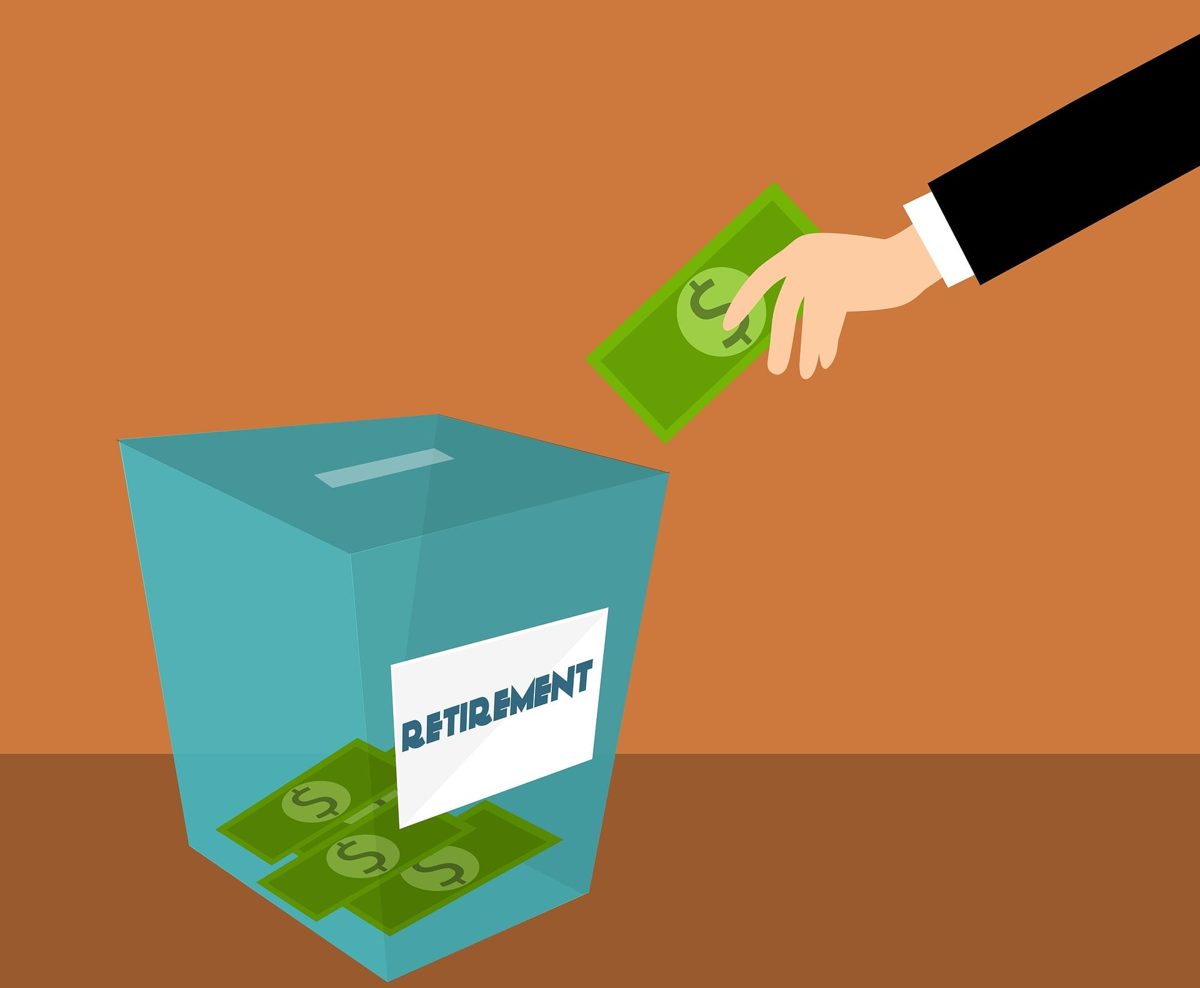
There are many different types of retirement accounts—401k, Roth IRA, SEP IRA, Traditional IRA, etc. While each account type can facilitate retirement for a wide range of scenarios and they have district advantages and disadvantages, my favorite is the Roth IRA for most people.
Pre-Tax vs. Post-Tax Accounts
Retirement accounts can be broken up into two primary categories—pre-tax and post-tax. A pre-tax contribution means that you contribute to your retirement before income taxes are collected and post-tax does the opposite. The thing about Uncle Sam is that he will get his money eventually. So if you choose a pre-tax account, you’ll pay taxes when you withdraw funds at retirement. And if you choose a post-tax account (such as a Roth IRA), you’ll pay taxes when you earn the money, but not when you take the funds out at retirement.
How Compounding Works
Compounding is the reason starting early matters so much. When your investments earn a return, that return is added to your balance. The next year, you earn a return on your original money and on last year’s gains. Over many years, the growth starts to build on itself, like a snowball rolling downhill and picking up more snow.
A helpful rule of thumb is the Rule of 72: divide 72 by your annual rate of return to estimate how many years it takes for your money to double. At higher returns, money doubles faster; at lower returns, it takes longer. Either way, the more doubling periods you give your money, the larger the result. That is why the first dollars you save often end up being the most valuable.
Choosing Between Roth and Traditional
Deciding between a pre-tax account and a Roth account is really a question about taxes now versus taxes later. If you expect your tax rate to be higher in retirement than it is today, paying the tax now with a Roth can make sense. If you expect your tax rate to be lower in retirement, a pre-tax account may be the better fit. Many people use both to keep flexibility, since no one knows exactly what future tax rates will be.
Keep in mind that Roth IRAs have income limits for direct contributions and rules about when earnings can be withdrawn tax-free. Understanding those rules before you start helps you get the most out of the account.
Why I Like Roth IRAs
The main reason I like Roth IRAs is that you could hypothetically accumulate millions of dollars towards retirement without the fear of future income taxes. Saving towards retirement at the beginning can be a little depressing because your portfolios don’t earn very much, but the key to unlocking massive gains towards retirement is to start ASAP and take advantage of compounding interest!
Most young people could retire as millionaires with a financial plan and a few tweaks to their financial habits. So, what’s holding you back from financial independence?