5 Steps to Financial Literacy in 2024!
It’s a new year! Right now, many individuals find themselves reflecting on the past and contemplating positive changes for the future. While resolutions often revolve around health and personal development, committing…
Published January 1, 2024 · 3 min read
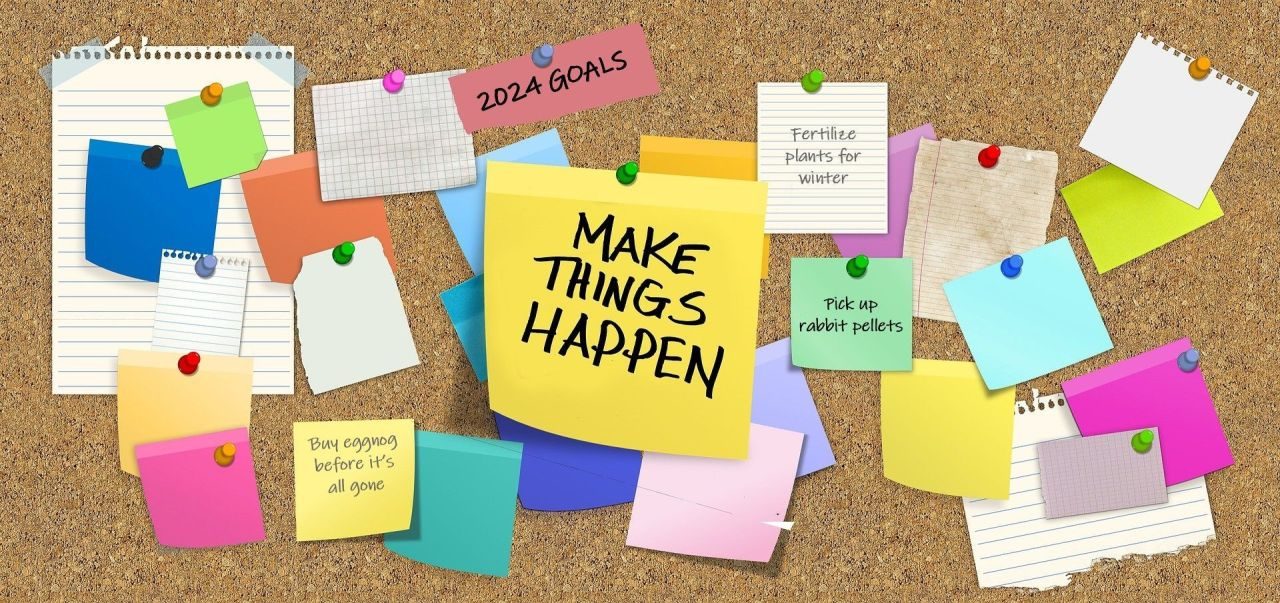
It’s a new year! Right now, many individuals find themselves reflecting on the past and contemplating positive changes for the future. While resolutions often revolve around health and personal development, committing to becoming more financially literate is one resolution that holds the key to a brighter financial future. In a world where financial decisions are pivotal in shaping our lives, dedicating the upcoming year to enhancing financial knowledge can pave the way for greater stability, security, and prosperity.
1. Understanding Financial Literacy
Financial literacy is the acquisition of knowledge and skills required to make informed financial decisions—this includes understanding personal finance elements such as budgeting, investing, debt management, and retirement planning. Being financially literate empowers individuals to control their financial destinies, alleviate stress related to money matters, and make decisions that align with long-term goals.
2. Setting Clear Goals
When embarking on a financial literacy journey, it’s crucial to establish clear and achievable goals. These goals could range from building an emergency fund and paying off high-interest debt to investing for the future and saving for major life events. Setting specific, measurable, and realistic objectives will provide a roadmap for your financial education journey and help you stay focused throughout the year.
3. Educational Resources
One of the most accessible and effective ways to enhance financial literacy is to tap into a wealth of educational resources available. Numerous books, podcasts, online courses, and financial blogs cover various topics, catering to individuals at multiple levels of financial understanding. Consider starting with fundamental concepts such as budgeting and saving before delving into more complex subjects like investment strategies and tax planning.
4. Engage in Continuous Learning
Financial literacy is not a one-time achievement; it’s an ongoing process that evolves with changes in the economic landscape and personal circumstances. Commit to continuous learning by staying informed about economic trends, financial regulation updates, and investment strategy advancements. Have discussions with financial experts, join online forums, and participate in workshops to expand your knowledge base.
5. Practical Application
Applying financial knowledge in real-life scenarios is essential for reinforcing learning and building confidence in decision-making. Create a budget, track your spending, and explore investment opportunities that align with your risk tolerance and financial goals. As you navigate through practical exercises, you’ll gain valuable insights into your financial habits and learn to make informed choices contributing to your overall financial well-being.
6. Bonus Step—Seek Professional Guidance
For those seeking a more personalized and in-depth understanding of their financial situation, consulting with a financial advisor can be a wise decision. A professional can provide tailored advice, address specific concerns, and help create a comprehensive financial plan. Building a solid financial foundation involves a combination of self-education and expert guidance.
Embracing financial literacy as a New Year’s resolution is a commitment to empowerment and financial well-being. Remember that “the world is his who has money to go over it.” ~Ralph Waldo Emerson
Putting It All Together
Financial literacy isn’t a one-time achievement—it’s a habit. The steps above work best when they build on each other: understanding the basics helps you set realistic goals, good resources keep you learning, and practical application turns knowledge into results. Start with one area this month, such as tracking your spending, and add another next month. Small, steady progress adds up faster than you might think.